
Food & Fabric Pests
Call Now!
Beetles & Moths Services in Tacoma WA
Contact Long Pest Control Inc. to schedule pest control services by calling 253-565-8228 today.
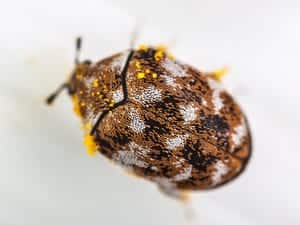
Carpet Beetle
Easiest to identify when in the larvae state; as a white elongated oval shape with dark fur like hair, as there is no signature pattern in the adult Carpet Beetle and color varies significantly. Attracted to woolen, furs and commonly found in stored food products. Adult beetles are able to fly and can survive under extremely poor conditions, causing carpet beetles to be among the most prominent food pest invaders.
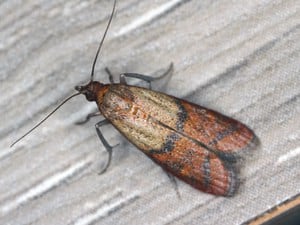
Indian Meal Moth
Indian Meal moths are the most common moths found in food products, they have ombre wings that fade from copper/red to grayish/white and are about ½ to ¾ inches long. The larvae have no specific coloring ranging from light pick to brown and even green. A strong identifier is the vast amount of webbing they spin around there food sources like pet food, dried spices and fruit, grains and cereal.

Saw Toothed Beetle
About 1/8 inches long with a flat red to brown colored body, these beetles are likely coming from purchased food, commonly found in pet food, rice and grains. Saw-toothed Grain beetles get their name from the serrated like teeth along the ridge of the shoulder area.
Get in touch with us today!
Call us now or use our online form to reach out about your pest control needs!
Frequently Asked Questions About Food & Fabric Pests
What are food and fabric pests?
Food and fabric pests are insects that damage stored food products, natural fabrics, or both. Some species infest pantry items like grains, cereal, flour, spices, and pet food, while others feed on materials such as wool, fur, feathers, and certain types of upholstery.
Although these pests are small, they can spread quickly and contaminate food or damage personal belongings if left untreated.
How do I know if I have a food or fabric pest infestation?
You may notice insects crawling inside pantry cabinets, moths flying around stored food, webbing inside food packages, or small holes in clothing, rugs, or other natural fabrics. In some cases, larvae are easier to spot than the adult insects.
Finding multiple insects or repeated signs of activity usually indicates that the infestation has spread beyond a single item and should be inspected.
What types of food and fabric pests does Long Pest Control treat?
Long Pest Control provides treatment for common pantry and fabric pests, including carpet beetles, Indian meal moths, and saw-toothed grain beetles. Each pest behaves differently, so identifying the species is an important part of selecting the right treatment.
Our technicians inspect the affected areas, locate the source of the infestation, and recommend a solution based on the type of pest and the extent of the problem.
What are carpet beetles, and why are they a problem?
Carpet beetles are small insects whose larvae feed on natural fibers such as wool, fur, feathers, and certain fabrics. They may also be found in stored food products, making them a nuisance in both closets and pantries.
Because adult carpet beetles can fly and survive under a wide range of conditions, infestations may spread to different parts of the home if they aren't addressed promptly.
What are Indian meal moths?
Indian meal moths are one of the most common pantry pests found in homes. They often infest dry goods such as cereal, rice, grains, flour, dried fruit, spices, and pet food.
A common sign of an infestation is the presence of silky webbing inside food packaging, along with small moths flying near kitchen cabinets or pantry shelves.
What are saw-toothed grain beetles?
Saw-toothed grain beetles are small, flat insects commonly found in packaged foods such as rice, grains, cereal, flour, and pet food. They often enter homes inside infested food products purchased from stores.
Once established, they can spread to other stored foods, making it important to remove contaminated products and treat the infestation.
Can these pests spread throughout my home?
Yes. While many food and fabric pests begin in one area, they can spread if conditions are favorable. Flying insects such as carpet beetles and Indian meal moths may move into nearby rooms, while pantry pests can infest multiple food items if not removed quickly.
Early treatment helps limit the spread and reduces the amount of damage they can cause.
Should I throw away infested food?
Any food that shows signs of insects, larvae, webbing, or contamination should generally be discarded in a sealed bag to help prevent the infestation from spreading. It's also a good idea to inspect nearby food packages for additional signs of activity.
Cleaning pantry shelves thoroughly before restocking can also help remove hidden insects or eggs.
Can carpet beetles damage clothing and furniture?
Yes. Carpet beetle larvae feed on natural fibers and may damage clothing, rugs, blankets, upholstered furniture, and other household items made from wool, fur, silk, or feathers.
Storing clothing properly and addressing infestations early can help reduce the risk of permanent damage.
What attracts food and fabric pests?
Most pantry pests are attracted to stored food products, while carpet beetles are drawn to natural fibers, lint, pet hair, and accumulated dust. Open food containers and long-term food storage can also increase the likelihood of an infestation.
Keeping food sealed and maintaining a clean storage area can make your home less attractive to these pests.
What happens during an inspection?
A technician will inspect your pantry, food storage areas, closets, and other locations where activity has been reported. They'll identify the pest, locate the likely source of the infestation, and look for conditions that may be allowing it to continue.
After the inspection, you'll receive recommendations for treatment and practical steps that can help prevent future infestations.
Can store-bought products eliminate pantry pests?
Some over-the-counter products may kill visible insects, but they often don't eliminate hidden eggs or insects inside infested food packages. Without addressing the source, new insects may continue to appear.
Professional treatment focuses on identifying where the infestation started and helping prevent it from spreading further.
How can I help prevent food and fabric pests?
Store dry foods in airtight containers, inspect packaged foods before placing them in your pantry, and clean shelves regularly to remove crumbs and food residue. Vacuuming closets and storing seasonal clothing in sealed containers can also help protect fabrics.
Routine inspections make it easier to catch problems early before they become widespread.
How long does treatment take?
The time required depends on the type of pest, the size of the infestation, and how many areas are affected. Smaller infestations may be resolved quickly, while more extensive problems can require additional visits or follow-up recommendations.
Your technician will explain the treatment process and let you know what to expect before service begins.
How do I schedule food and fabric pest control with Long Pest Control?
Scheduling an inspection is simple. Call Long Pest Control or submit a request through the online contact form to discuss your concerns and arrange an appointment.
Our team will inspect your property, identify the pest involved, and recommend the most effective solution to protect your food, fabrics, and home from further damage.