
Spiders
Call Now!
Spider Control Services in Tacoma WA
Contact Long Pest Control Inc. to schedule pest control services by calling 253-565-8228 today.
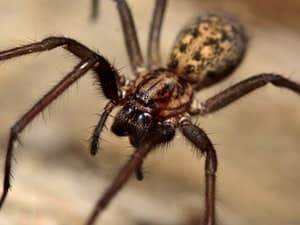
House Spider
Particularly found west of the Cascade Mountains and often seen in the late summer months to fall, Giant House Spider are extremely variable in size and color. With no signature markings this spider is commonly mistaken for the HOBO spider. Giant House Spiders are not hostile or aggressive and only bite when provoked. Found in dark spaces such as basements or garages.
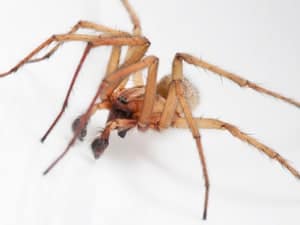
Hobo Spider
These Venomous spiders are partial to dark and are able to survive inside as well as outdoors areas like firewood stacks, sheds, decks and basements. Most commonly misidentified as a Brown Recluse spider, which do NOT live in the Washington area, or the Giant House Spider.
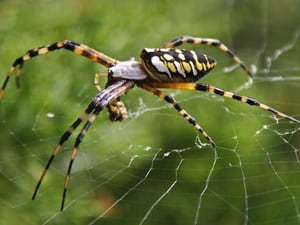
Orb Weaver Spider
Orb Weavers obtain their name from how the construct their web/nests. With variable size, color and marking the actual web itself can be its positive identifier. Commonly found up in undisturbed, high places like eaves soffits, window frames and even in the garden. Although Orb weavers are not aggressive they can be a big nuisance.
Get in touch with us today!
Call us now or use our online form to reach out about your pest control needs!
Frequently Asked Questions About
What are the most common spiders found in the Tacoma area?
Some of the most common spiders found around Tacoma include giant house spiders, hobo spiders, and orb weaver spiders. Each species has different habits and preferred hiding places, which is why proper identification is helpful when deciding on the best treatment.
While many spiders are harmless, large numbers of spiders or webs around your property can become a nuisance and may indicate an underlying insect problem.
Why am I seeing so many spiders in my home?
Spiders usually enter homes in search of food, shelter, or a place to build webs. If your home has an abundance of insects, spiders are more likely to stick around because they have a reliable food source.
Seasonal changes can also increase spider activity, especially during late summer and fall when some species begin moving indoors.
Where do spiders usually hide?
Most spiders prefer quiet, undisturbed areas where they can build webs or hunt without being disturbed. Common hiding places include basements, garages, crawlspaces, attics, storage rooms, closets, and corners of ceilings or windows.
Outdoor spiders often build webs around eaves, soffits, decks, gardens, and exterior lighting where insects are plentiful.
Are spiders dangerous?
Most spiders found in Western Washington are not aggressive and generally avoid contact with people. Bites are uncommon and usually happen only if a spider is accidentally trapped or handled.
If you're unsure about the type of spider you've found or you're seeing large numbers of them, a professional inspection can help identify the species and recommend the appropriate treatment.
What is the difference between a giant house spider and a hobo spider?
Giant house spiders are often mistaken for hobo spiders because they have a similar appearance. Giant house spiders are typically harmless and are commonly found in basements, garages, and other dark areas.
Hobo spiders also prefer dark, sheltered locations such as sheds, decks, crawlspaces, and wood piles. Because the two species can look alike, it's often best to have them professionally identified.
Do brown recluse spiders live in Washington?
No. Brown recluse spiders are not considered native to Washington and are not commonly found in the state. Many spiders are mistakenly identified as brown recluses because of their similar size or coloring.
If you find a spider you're concerned about, it's better to have it identified rather than relying on online photos or assumptions.
Why are there so many spider webs around my home?
Spider webs often appear where insects are active. Areas around porch lights, windows, rooflines, and landscaping tend to attract flying insects, making them ideal places for spiders to build webs.
Regular cleaning and reducing outdoor insect activity can help minimize the number of webs around your property.
Do spiders help control other pests?
Yes. Spiders feed on many insects, including flies, mosquitoes, moths, and other small pests. While they can help reduce insect populations outdoors, most homeowners prefer not to have spiders living inside their homes.
If spider activity becomes excessive, professional treatment can help manage the problem while also addressing the insects attracting them.
What happens during a spider inspection?
A technician will inspect both the inside and outside of your property, looking for spider activity, web locations, entry points, and areas where insects may be attracting spiders. The inspection also helps identify the species present.
Based on the findings, we'll recommend a treatment plan that targets both spiders and the conditions contributing to the infestation.
How does professional spider control work?
Spider control typically involves treating areas where spiders are active, removing webs when appropriate, and reducing the insects that serve as their primary food source. Addressing entry points around the home can also help prevent spiders from moving indoors.
Because spiders may continue to enter from surrounding outdoor areas, ongoing pest management may provide the best long-term results.
Can I get rid of spiders with store-bought sprays?
Over-the-counter sprays may kill spiders you see, but they usually don't address hidden spiders, egg sacs, or the insects attracting them. As a result, new spiders often return after the initial treatment.
Professional pest control focuses on the source of the problem instead of simply treating visible spiders.
How can I help prevent spiders from coming back?
Keeping your home clean, reducing clutter, sealing gaps around doors and windows, and minimizing outdoor lighting that attracts insects can all help reduce spider activity. Regularly removing webs also discourages spiders from settling in the same areas.
Maintaining routine pest control can further reduce the insects that spiders depend on for food.
When is spider activity most common?
Many homeowners notice increased spider activity during late summer and fall as certain species mature and begin searching for mates or shelter. This is also when spiders are more likely to wander indoors.
Seasonal pest control can help reduce spider activity before it becomes a larger problem.
How long does spider treatment take?
The length of a spider treatment depends on the size of the property and the level of activity. Most inspections and treatments can be completed during a single service visit, although properties with ongoing spider issues may benefit from recurring pest management.
Your technician will explain the process and answer any questions before treatment begins.
How do I schedule spider control with Long Pest Control?
Scheduling spider control is simple. Call Long Pest Control or submit a request through the online contact form to arrange an inspection at your home or business.
Our team will identify the type of spiders present, recommend the most effective treatment, and help you reduce future spider activity with practical prevention strategies.