
Termites
Call Now!
Termite Control Services in Tacoma WA
Contact Long Pest Control Inc. to schedule pest control services by calling 253-565-8228 today.
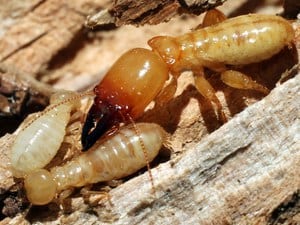
Dampwood Termite
One of the two native termites in the Pacific North West area, Dampwood termites are the largest of the species in our area. As they live in waterlogged or rotting wood, these specific termites are an indication of a previous problem, such as a water leak or a moisture problem. Mating Swarms typically take place after the first rain fall, late summer to early fall. Dampwood worker are about ½ inch long with a white clear like exterior, while reproductive swarmers are winged and are a brown/orange color.

Subterranean Termite
Subterranean termites are small, only about ¼ inch long for the workers with a milky white color but will attack sound wood causing significant damage to homes. These termites live under ground and are drawn to wood sources. A common sign of an infestation are visible “mud tubes” or “shelter tubes”, in which the termites can forge into exposed areas while maintaining its protection. Reproductive swarms can happen almost any time of the year.
Get in touch with us today!
Call us now or use our online form to reach out about your pest control needs!
Frequently Asked Questions About Termite Control
What are the signs of a termite infestation?
Termites often work behind the scenes, so damage may not be obvious until the infestation has grown. Some common warning signs include mud tubes along your foundation, hollow-sounding wood, discarded wings near windows or doors, and wood that appears blistered or damaged.
If you notice any of these signs, it's best to schedule a professional inspection before the termites have a chance to cause more extensive structural damage.
What types of termites are found in the Tacoma area?
The two termite species most commonly encountered in the Tacoma area are dampwood termites and subterranean termites. While both feed on wood, they have different nesting habits and require different treatment approaches.
Identifying the species is an important first step because it helps determine where the termites are nesting and the most effective way to eliminate them.
What are dampwood termites?
Dampwood termites are one of the native termite species found in the Pacific Northwest. They prefer wood that has been damaged by excess moisture, water leaks, or decay, making their presence a possible sign of an underlying moisture problem.
In addition to treating the termites, it's important to address the source of the moisture to help prevent future infestations.
What are subterranean termites?
Subterranean termites live underground and travel through soil to reach wood structures. They can damage sound wood and are capable of causing significant structural damage if an infestation goes undetected.
One of the most recognizable signs of subterranean termites is the presence of mud tubes, which help protect them as they move between their colony and a food source.
What are mud tubes, and why are they important?
Mud tubes are narrow tunnels made from soil, wood particles, and termite saliva. Subterranean termites build these tubes to travel while staying protected from predators and drying out.
Finding mud tubes on your foundation, crawlspace walls, or other parts of your home is often a strong indication that termites may be active nearby.
Can termites damage my home?
Yes. Termites feed on wood and other materials containing cellulose, which means they can weaken structural components over time. Left untreated, an infestation may lead to expensive repairs and compromise the integrity of your home.
The earlier termites are detected, the easier it is to limit damage and protect your property.
What happens during a termite inspection?
A termite inspection involves a careful examination of your home's interior, exterior, crawlspace, and other accessible areas for signs of termite activity. Your technician will look for damaged wood, mud tubes, moisture issues, and conditions that may attract termites.
After the inspection, you'll receive recommendations based on the findings and the type of termite activity present.
Can termites be active without visible damage?
Yes. It's common for termites to remain hidden inside walls, crawlspaces, or wooden structures long before noticeable damage appears. In many cases, homeowners don't realize they have termites until they spot a swarm or uncover damaged wood during renovations.
Regular inspections can help detect termite activity before it becomes a more serious problem.
When do termites swarm?
Swarming occurs when reproductive termites leave an established colony to start new ones. In the Pacific Northwest, dampwood termites often swarm after the first rainfall in late summer or early fall, while subterranean termites may swarm at various times throughout the year.
Seeing winged termites or discarded wings around your home is a good reason to schedule a professional inspection.
Why are moisture problems linked to termites?
Moisture creates favorable conditions for certain termite species, particularly dampwood termites. Leaking pipes, poor drainage, damaged roofing, and wood that remains wet for long periods can all increase the risk of infestation.
Repairing moisture issues not only helps protect your home from termites but can also reduce the likelihood of other pest problems.
Can I treat termites myself?
Store-bought termite products may provide temporary relief, but they often don't reach the colony responsible for the infestation. Because termites typically live inside wood or underground, eliminating the entire colony usually requires specialized knowledge and treatment methods.
A professional inspection helps ensure that the infestation is correctly identified and treated before more damage occurs.
How can I help prevent termites?
Keeping wood away from direct soil contact, repairing leaks promptly, improving drainage, and reducing excess moisture around your home can make your property less attractive to termites. Regular inspections are also valuable for identifying problems early.
Preventive maintenance is one of the best ways to reduce the risk of long-term termite damage.
How long does termite treatment take?
The time required depends on the type of termite, the size of the infestation, and the treatment method being used. Some infestations can be addressed relatively quickly, while others may require ongoing monitoring or follow-up visits.
Your technician will explain the recommended treatment plan and provide a realistic timeline based on your property's needs.
Is a termite inspection worth it if I don't see termites?
Yes. Because termites often remain hidden for long periods, many infestations are discovered during routine inspections rather than after visible damage appears. Early detection can save homeowners from costly structural repairs later.
If your home has experienced moisture problems or you're purchasing a property, a termite inspection is a smart investment.
How do I schedule termite control with Long Pest Control?
Scheduling termite service is easy. Call Long Pest Control or submit a request through the online contact form to arrange an inspection at your home or business.
Our team will identify the type of termite involved, assess any damage or risk factors, and recommend the most effective treatment to help protect your property.