
Wood Boring Beetles
Call Now!
Wood Boring Beetles Control In Tacoma WA
Contact Long Pest Control Inc. to schedule pest control services by calling 253-565-8228 today.
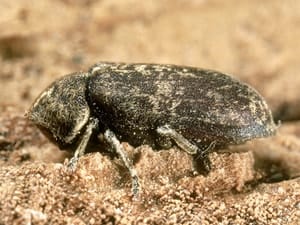
Deathwatch Beetle
Also known as Anobiid Beetles, these wood destroying insect adults are about 1/8 to ¼ inches long and range in color from brown to reddish. Deathwatch Beetles lay their eggs in the cracks or pores of the wood and only emerge in the adult stage causing random size shotgun holes in the wake. Found in places with about 15% moisture, such as sub areas of basement of homes, hollowing out pier post, stubs and joists of the structure. These beetles can cause huge concern in the structure integrity if not controlled.
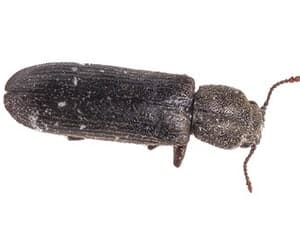
Powder Post Beetle
Powder post beetles (unlike like the deathwatch beetle) feed and lay their eggs on unfinished hardwoods. The larvae is likely to stay in the wood for up to 10 months only to emerge as adults causing uniform shotgun holes and a gritty, powder like material called “frass”(hence their given name) that falls out of the emergence holes. Adult Powder posts are only about 1/8 to 3/8 inches long and vary from red to black in color.
Get in touch with us today!
Call us now or use our online form to reach out about your pest control needs!
Frequently Asked Questions About Wood Boring Beetles Control
What are wood boring beetles?
Wood boring beetles are insects whose larvae develop inside wood, feeding as they grow before emerging as adults. Depending on the species, they may infest structural wood, hardwood flooring, furniture, beams, or other wooden materials.
Because much of the damage happens inside the wood, an infestation may go unnoticed until the adult beetles emerge, or visible signs begin to appear.
How do I know if I have wood boring beetles?
One of the most common signs is the appearance of small, round exit holes in wood. You may also notice fine powder or gritty material beneath the holes, weakened wood, or adult beetles emerging from wooden surfaces.
If you see these signs, it's a good idea to have the wood inspected to determine whether the infestation is active.
What types of wood boring beetles does Long Pest Control treat?
Long Pest Control provides treatment for common wood boring beetles found in the Tacoma area, including deathwatch beetles and powderpost beetles. Although both species damage wood, they have different habits and typically infest different types of materials.
Identifying the species helps determine the most appropriate treatment and whether additional repairs may be needed.
What are deathwatch beetles?
Deathwatch beetles, also known as anobiid beetles, are wood-destroying insects that often infest wood with elevated moisture levels. They're commonly found in crawlspaces, basements, support posts, floor joists, and other damp structural areas.
Because they prefer moisture-damaged wood, their presence may indicate an underlying moisture problem that should also be addressed.
What are powderpost beetles?
Powderpost beetles are known for attacking unfinished hardwoods. Their larvae remain inside the wood while feeding, eventually emerging through small exit holes and leaving behind a fine powder known as frass.
These beetles can damage hardwood flooring, furniture, trim, and other unfinished wood products if left untreated.
What is frass?
Frass is the fine, powdery material left behind by wood boring beetle larvae as they tunnel through wood. It often collects beneath small exit holes and is one of the clearest signs of an active or recent infestation.
Finding fresh frass around wooden structures or furniture should be inspected promptly to determine whether beetles are still present.
Are wood boring beetles the same as termites?
No. While both pests damage wood, they behave very differently. Termites feed on wood as a food source, while wood boring beetles spend much of their life cycle developing inside wood before emerging as adults.
A professional inspection can identify which pest is causing the damage and recommend the appropriate treatment.
Can wood boring beetles damage my home?
Yes. Over time, wood boring beetles can weaken structural wood by creating tunnels inside beams, joists, posts, flooring, and other wooden components. The extent of the damage depends on the species and how long the infestation has been active.
Treating the infestation early can help reduce additional structural damage and costly repairs.
Why are moisture problems linked to some wood boring beetles?
Certain species, such as deathwatch beetles, are attracted to wood with higher moisture content. Leaks, poor ventilation, or long-term dampness can create favorable conditions for these beetles to lay their eggs.
Correcting the moisture problem is often an important part of preventing future infestations.
What happens during a wood boring beetle inspection?
During the inspection, a technician examines exposed wood for exit holes, frass, moisture damage, weakened wood, and signs of active beetle activity. The inspection also helps determine which species is present and whether the infestation is ongoing.
Once the inspection is complete, you'll receive recommendations for treatment and any additional steps that may help protect your property.
Can I treat wood boring beetles myself?
Surface sprays and DIY products rarely reach beetle larvae hidden deep inside wood. Without addressing the source of the infestation, new adults may continue emerging even after visible beetles have been eliminated.
Professional treatment targets the infestation more effectively while helping determine whether damaged wood should also be repaired or replaced.
How can I help prevent wood boring beetles?
How long does treatment take?
Treatment times vary depending on the type of beetle, the amount of wood affected, and whether the infestation is active. Smaller infestations may be resolved quickly, while more extensive cases could require additional treatment or monitoring.
Your technician will explain the recommended treatment plan after completing the inspection.
Can wood boring beetles return after treatment?
They can if favorable conditions remain. Moisture problems, untreated wood, or infested materials brought into the home may allow new infestations to develop over time.
Routine inspections and correcting the conditions that attract wood boring beetles can help reduce the chances of future activity.
How do I schedule wood boring beetle control with Long Pest Control?
Scheduling an inspection is easy. Call Long Pest Control or complete the online contact form to request an appointment at your convenience.
Our team will inspect the affected wood, identify the type of beetle involved, and recommend the most effective treatment to help protect your home from further damage.