
Rats
Call Now!
Rat Control Services in Tacoma WA
Contact Long Pest Control Inc. to schedule pest control services by calling 253-565-8228 today.
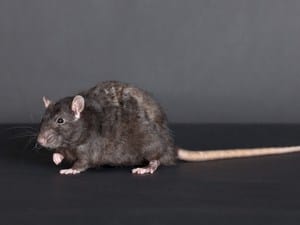
Roof Rat
Also known as Black Rats, they are about 12 to 18 inches long including the tail and dark in color. Roof Rats are extremely nimble, able to squeeze through a hole the size of your thumb. They can be distinguished from other rodents by its incredibly long tail and the ability to climb vertical walls and cables. A true omnivore, they will eat anything that is available, including paper products and plastics.

Norway Rat
Also known as Brown Rats, they range in color from gray to dark brown. These rats can be massive in size, but are commonly about 20 inches long from nose to tail. A sure identifier in Norway Rats is that the body is the same length as the tail. Skillful diggers, they are able to excavate massive burrow systems, and at times this is how they get in to structures for harborage. Norway Rats are nocturnal and do most of their foraging at night. They don’t have a preference in food and will eat whatever is available.
Get in touch with us today!
Call us now or use our online form to reach out about your pest control needs!
Frequently Asked Questions About Rat Control
What are the signs of a rat infestation?
Rats often leave noticeable signs before they're seen. You may find droppings, gnaw marks on wood or food packaging, greasy rub marks along walls, scratching noises at night, or shredded materials used to build nests.
If you notice any of these warning signs, it's a good idea to schedule an inspection before the infestation becomes more difficult to manage.
What types of rats does Long Pest Control treat?
Long Pest Control provides treatment for the two rat species most commonly found in the Tacoma area: roof rats and Norway rats. Although both can invade homes and businesses, they behave differently and often require different control strategies.
Identifying the species helps determine where they're nesting, how they're entering the property, and the best way to eliminate them.
What's the difference between roof rats and Norway rats?
Roof rats are excellent climbers and are commonly found in attics, roofs, trees, and elevated areas. Their long tails and ability to climb walls, fences, and utility lines make them especially skilled at reaching upper levels of a home.
Norway rats prefer to stay closer to the ground. They often burrow beneath buildings, around foundations, or under outdoor structures, making them more likely to enter through lower levels of a property.
How do rats get into a home?
Rats can enter through surprisingly small openings around foundations, rooflines, vents, utility lines, and damaged siding. Roof rats often gain access by climbing trees, fences, or cables, while Norway rats may burrow beneath structures or squeeze through gaps near ground level.
Once inside, they look for food, water, and sheltered areas where they can build nests.
Where do rats usually hide?
Rats prefer quiet, undisturbed places where they can nest safely. Roof rats are often found in attics, wall voids, and upper levels of buildings, while Norway rats commonly nest in crawlspaces, basements, garages, and underground burrows.
Because they're mostly active at night, an infestation can go unnoticed until the population grows.
Are rats dangerous?
Yes. Rats can contaminate food and surfaces with their droppings and urine, and they're known to carry diseases that may affect people and pets. They can also introduce parasites such as fleas and cause damage by chewing on wiring, insulation, and wood.
Prompt removal helps protect both your property and your family's health.
What attracts rats to a property?
Rats are attracted to places that provide easy access to food, water, and shelter. Pet food, bird seed, unsecured garbage, compost piles, fallen fruit, and cluttered storage areas can all encourage rat activity.
Reducing these attractants is an important part of preventing future infestations.
What happens during a rat inspection?
During the inspection, a technician looks for droppings, nesting areas, burrows, entry points, and evidence of chewing or other rodent activity. They'll also evaluate the property for conditions that may be attracting rats.
After the inspection, you'll receive recommendations for treatment and practical steps to help prevent rats from returning.
Can rats damage my home?
Yes. Rats have strong teeth that continue growing throughout their lives, so they constantly chew to wear them down. They may damage electrical wiring, insulation, pipes, drywall, wood, and stored belongings while searching for food or building nests.
Addressing an infestation early can help minimize repair costs and reduce the risk of further damage.
Why do I hear noises in my attic or walls at night?
Rats are primarily nocturnal, so scratching, scurrying, or chewing sounds after dark often indicate rodent activity. Roof rats are commonly found in attics and upper portions of homes, while Norway rats are more likely to be active beneath floors or inside crawlspaces.
If these noises continue, a professional inspection can help determine whether rats are responsible.
Can I get rid of rats with traps alone?
Traps can reduce the number of rats you see, but they don't always eliminate the source of the infestation. If nesting sites and entry points aren't addressed, new rats can continue entering the property.
Professional rat control focuses on removing existing rodents while identifying how they're getting inside to provide longer-lasting results.
How can I help prevent rats from returning?
Sealing entry points, trimming tree branches away from your roof, securing garbage containers, storing food properly, and removing outdoor clutter can make your property less attractive to rats. Regular inspections can also help identify new access points before they become a larger problem.
Combining these preventive measures with professional rodent control offers the best long-term protection.
How long does rat control take?
The length of treatment depends on the size of the infestation, the number of nesting sites, and how easily access points can be sealed. Some infestations can be resolved quickly, while others may require additional visits and ongoing monitoring.
Your technician will explain the treatment plan and expected timeline after completing the inspection.
Why is professional rat control recommended?
Rats reproduce quickly and are highly adaptable, making them difficult to eliminate without addressing the entire infestation. Professional rodent control includes identifying the species, locating nests, treating active infestations, and recommending exclusion measures to help keep rats from returning.
This comprehensive approach provides more reliable, long-term results than relying on traps or bait alone.
How do I schedule rat control with Long Pest Control?
Scheduling rat control is simple. Call Long Pest Control or submit a request through the online contact form to arrange an inspection at your home or business.
Our team will identify the type of rat involved, locate areas of activity, and recommend the most effective treatment to help protect your property from future infestations.