
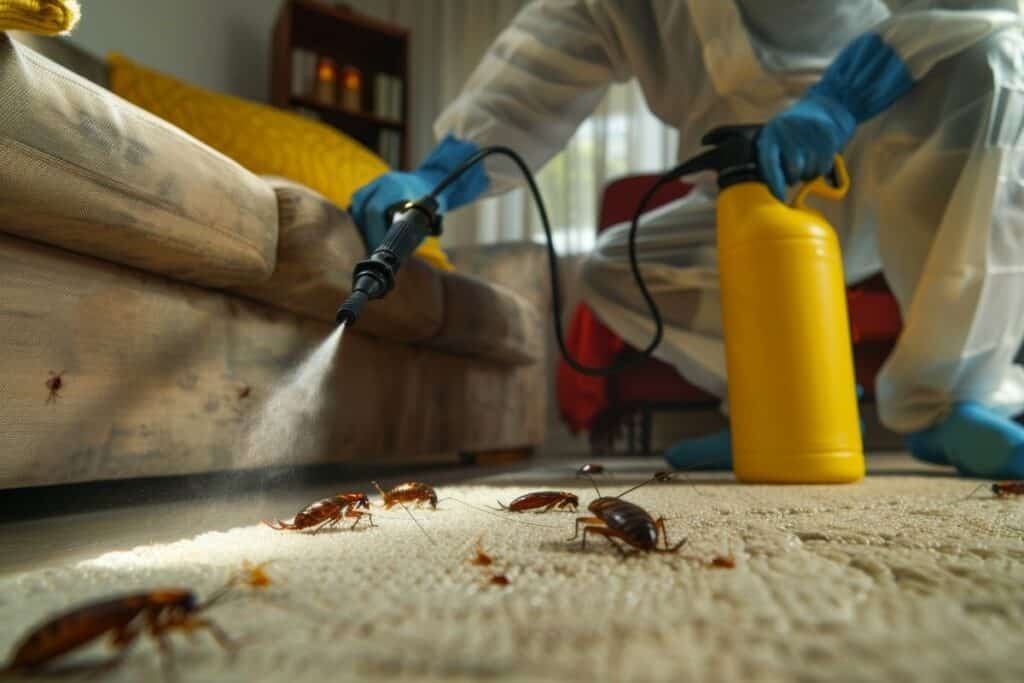
Homeowners in Pierce County are facing a growing threat that is silently damaging their homes. Carpenter ant removal in Lakewood, WA, Tacoma, WA, and surrounding communities is becoming more and more important because these pests thrive in the Pacific Northwest’s wet climate. People in Auburn, WA, and Olympia, WA, find sawdust trails under windows and hear rustling sounds inside walls. These are clear signs of active infestations. Every day, the damage gets worse as carpenter ants dig deeper tunnels through beams and supports that hold up the building. If you don’t act quickly, what starts as a small problem can turn into a big one that needs a lot of repairs and affects the stability of the structure. That’s where Long Pest Control steps in with same-day emergency services, bringing over 40 years of experience to protect your home from these destructive invaders.
This guide explains how to identify carpenter ant infestations, why rapid removal matters, and what same-day solutions we offer throughout Gig Harbor, WA, Lacey, WA, Federal Way, WA, Puyallup, WA, and University Place, WA. We’ll walk you through prevention strategies that keep your home protected year-round.
Understanding Carpenter Ant Infestations
Carpenter ants aren’t ordinary household pests—they pose serious threats to your property’s structural integrity. Understanding their behavior helps you recognize problems early and take action before damage becomes severe. Here’s what you need to know about these destructive insects.
What Makes Carpenter Ants Different
Carpenter ants rank among North America’s largest ant species, measuring up to 5/8 inch long. Unlike termites that eat wood, these pests excavate smooth tunnels called galleries to build their nests. They prefer moist, decaying wood initially but expand into sound wood as colonies grow.
A mature colony houses 3,000 to 50,000 ants. They build satellite colonies that spread pests all over your property. Their nocturnal nature means you don’t see the full degree of damage until it gets bad.
Common Signs of Carpenter Ant Activity
Early detection saves you from extensive damage. Watch for these warning signs around your home:
- Large black or reddish-black ants near wooden structures
- Winged ants (swarmers) emerging indoors during spring
- Wood shavings resembling sawdust are beneath infested areas
- Faint rustling sounds inside the walls during quiet evening hours
- Hollow sounds when tapping wooden structures
- Small holes in wood surfaces with discarded wings nearby
Where Carpenter Ants Nest in Homes
Our team conducting carpenter ant removal in Auburn, WA, frequently discovers colonies in predictable locations. Window and door frames top the list due to moisture from condensation and weather exposure. Bathroom walls hide colonies near plumbing leaks, while kitchen cabinets provide both moisture and food access.
Roof eaves, attic spaces, and crawl spaces are the undisturbed places with wood contact. Deck posts suffer from ground moisture and wood decay. These areas require thorough inspection during professional treatments.
The Carpenter Ant Life Cycle
Queens lay 15-20 eggs initially, with mature colonies producing thousands. Eggs hatch within 24 days into larvae that worker ants feed with regurgitated food. Larvae develop into pupae over several weeks before emerging as adults ready to work.
Workers live 6-12 weeks, but queens survive up to 25 years. This extended timeline means visible ants represent only a fraction of the total colony. Eliminating queens and satellite colonies requires professional expertise—DIY methods rarely reach hidden populations.
Why Fast Removal Is Critical
Every day carpenter ants remain active, they excavate more wood and expand their colonies. Delaying treatment creates problems that affect your home’s structure, safety, and overall value. Below are the key reasons why immediate professional intervention matters.
1. Structural Damage Escalation
Carpenter ants work continuously, excavating more wood each day. Minor damage in one beam spreads throughout your home’s framework within months. Industry data shows carpenter ants cause hundreds of millions in property damage annually across the United States.
We’ve seen cases where homeowners delayed carpenter ant removal in Lacey, WA, for several months, resulting in extensive structural repairs. What could have been a straightforward treatment became a major financial burden, affecting support beams, floor joists, and wall studs.
2. Health and Safety Concerns
Carpenter ant infestations signal underlying moisture problems that breed mold. This triggers respiratory issues and allergies in sensitive individuals. Compromised support beams threaten your home’s structural stability, creating collapse risks during earthquakes or severe weather common in the Pacific Northwest.
The galleries carpenter ants create provide entry points for secondary pests, including termites, beetles, and rodents. What starts as one problem multiplies into several interconnected issues requiring additional treatments.
3. Financial Implications of Delayed Treatment
Postponing professional carpenter ant removal in Federal Way, WA, multiplies expenses dramatically. Minor damage requiring basic treatment escalates to major structural repairs within one year. Property values drop significantly when undisclosed carpenter ant damage appears during home inspections.
Most homeowner insurance policies exclude carpenter ant damage. You bear the full financial burden without coverage. Immediate treatment protects your investment at a fraction of the cost of delayed intervention.
Same-Day Service Solutions
At Long Pest Control, we’ve worked on our emergency response to provide fast, effective results when you need them most. Our process combines rapid deployment with comprehensive treatment strategies that eliminate colonies completely.
Our Emergency Response Process
Call us before noon for same-day service. We send out skilled technicians within hours, equipped with advanced tools for detection that identify colony locations and assess damage. Our inspection reveals the infestation’s extent, including satellite nests you might not know exist.
We explain findings and recommend treatment approaches on-site. Transparency matters—you understand exactly what we’ll do and why. Treatment starts right away with the use of EPA-approved products that focus on colonies and also build protective barriers. We make follow-up visits to ensure complete eradication and prevent recolonization.
Treatment Methods We Use
Different infestations require different approaches. Our comprehensive treatment strategies include:
- Liquid Barrier Treatments: Put around your home’s exterior to prevent new ant entry
- Insecticidal Dust: Reaches hidden colonies in wall voids, attics, and crawl spaces
- Strategic Bait Systems: Workers carry poisoned food back to queens and larvae
- Direct Nest Treatment: Targeted applications when we locate main colonies
- Expanding Foam: Fills wall voids and galleries that other treatments cannot access
Each method plays a role in our comprehensive approach to carpenter ant removal in Puyallup, WA, and throughout our service area.
Prevention Tips for Homeowners
Preventing carpenter ant infestations requires consistent attention to several key areas around your property. These proactive measures significantly reduce your risk of future problems and protect your home investment.
1. Moisture Control Strategies
Carpenter ants require moisture to survive. Use these measures to control moisture:
- Fix leaking faucets, pipes, and fixtures right away
- Install exhaust fans in laundry rooms, bathrooms, and kitchens
- Ensure gutters and downspouts send water away from the foundation
- Replace damaged shingles and seal roof flashing
- Run dehumidifiers in basements and crawl spaces (maintain humidity below 50%)
These steps eliminate the primary attraction for carpenter ants seeking to establish colonies.
2. Wood Protection and Landscaping
Protect your property with these practical measures:
- Remove dead trees, stumps, and wood debris from your property
- Store firewood at least 20 feet from home on raised platforms
- Replace water-damaged wood and apply water-repellent sealers
- Trim tree branches away from your home’s exterior
- Keep mulch layers under 3 inches with a 12-inch gap from the foundation
- Remove rotting landscape timbers and decorative wood elements
3. Entry Point Elimination and Regular Inspections
Seal common entry points and maintain inspection routines:
- Seal foundation cracks wider than 1/8 inch with concrete filler
- Install weather stripping and door sweeps around all openings
- Fill in the gaps near pipes, wires, and cables using expanding foam
- Repair damaged siding, especially near ground level
- Conduct monthly checks of window sills, door frames, and basements
- Watch for winged ants in spring and monitor outdoor structures in summer
- Schedule professional inspections annually to find problems early
Protect Your Home from Carpenter Ant Damage
Carpenter ant infestations can damage your home’s structural integrity, making it less reliable and reducing its overall value. These pests silently eat away at your woodwork, causing damage every day. Professional assistance straight away prevents small problems from turning into major disasters.
Long Pest Control has provided trusted carpenter ant removal in Tacoma, WA, and throughout Pierce County since 1979. Our same-day service, comprehensive treatment methods, and decades of expertise eliminate colonies completely while protecting your property long-term.
Contact us today at +1-253-358-2906 for immediate assistance. Our licensed technicians respond quickly with effective solutions for carpenter ant removal in University Place, WA Lakewood, WA, Olympia, WA, Auburn, WA, Gig Harbor, WA, Lacey, WA, Federal Way, WA, and Puyallup, WA. Don’t let carpenter ants destroy your home—call Long Pest Control now for fast, professional emergency service.
