

Bees and Wasps
Call Now!
Bee & Wasp Control Services in Tacoma WA
At Long Pest Control Inc., we offer a wide range of bee and wasp removal and prevention services for homes and businesses throughout Auburn WA, Gig Harbor WA, Puyallup WA, Federal Way WA, University Place WA & Tacoma WA and the surrounding areas.
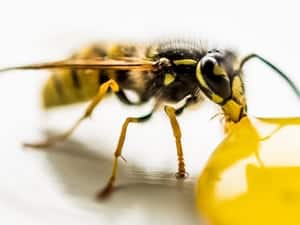
Yellow Jacket
Yellow Jackets are typically stripped yellow and back, but white and black are common as well. Usually about ½ inch in length, these wasps, as well as their colonies have a life cycle of only a year. Yellow Jackets can be tremendously hostile especially in the late summer to early fall when the colony start to weaken and decline, due to the changing of seasons. These wasps do not salvage the same nest from the previous year. Yellow Jackets can be particularly problematic if a nest is built within a wall void or attic as they are cable of chewing though walls.
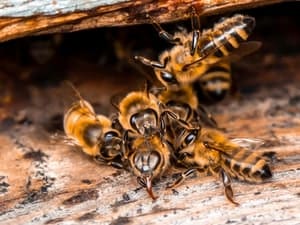
Honey Bees
Honey Bees are vital to crops, fruit trees and gardens for pollination. Generally yellow in color with a single black band these bees are about ½ inch long with fuzzy fur like hair. Honey Bees are not aggressive unless provoked. Honey is actually stored in the hive’s honeycombs as a source of food for the colony and can be a real problem if a nest is built in a wall void of a structure as the honey is very destructive to the walls. Since Honey bees are so crucial in the growth of crops, if the hive is retrievable, we will have a master beekeeper come in the remove.
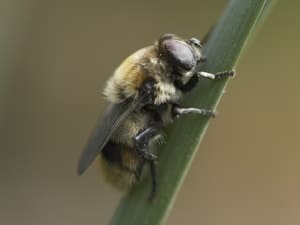
Bumble Bee
Large and Hairy, these docile social bees range from yellow, orange and even red stripped. Bumble bees are extremely beneficial for the pollination of plants and flower. Over wintering queens emerge in early spring to site a new location to start her colony, as they do not reuse the same nest from the previous year.
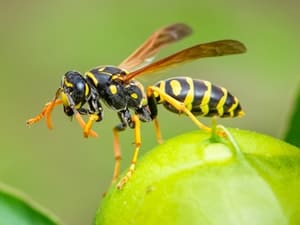
Paper Wasp
Relatively new to Washington, these paper wasps have taken over to become the most common species in Western Washington. This ½ inch long, yellow and black wasps are commonly misidentified as yellow jackets. Nest range from golf ball size to soccer ball size and hang from under exterior light fixtures and under eaves and soffites outside of the home.
Get in touch with us today!
Call us now or use our online form to reach out about your pest control needs!
Frequently Asked Questions About Bees and Wasps
When should I call for professional bee or wasp removal?
If you've noticed bees or wasps building a nest near your home or business, it's best to have it inspected as soon as possible. Colonies can grow quickly during the warmer months, making them more difficult and potentially more dangerous to remove later.
Professional removal helps reduce the risk of stings and ensures the nest is handled safely, especially if it's located inside a wall, attic, roofline, or another hard-to-reach area.
How can I tell if I have bees or wasps on my property?
Bees and wasps may look similar at first glance, but they behave differently. Bees are usually fuzzier and spend much of their time visiting flowers, while wasps have smoother bodies and are often seen flying around food, garbage, or their nests.
If you're unsure what you're seeing, a professional inspection can identify the species and determine whether removal or relocation is the best option.
Do you remove both bees and wasps?
Yes. Long Pest Control provides removal services for several types of bees and wasps commonly found in the Tacoma area. We tailor our approach based on the species, the nest location, and the level of activity around your property.
Some species require removal, while others may be relocated whenever practical, particularly if they play an important role in pollination.
Why are honey bees treated differently from other stinging insects?
Honey bees are valuable pollinators that help support gardens, orchards, and agricultural crops. Because of their environmental importance, every effort is made to relocate retrievable hives instead of eliminating them whenever it's safe and practical to do so.
If a honey bee colony has built a hive inside a wall or another structure, we'll evaluate the situation and determine the safest solution for both your property and the bees.
Are yellow jackets more aggressive than honey bees?
Yes. Yellow jackets are generally much more defensive than honey bees, especially during late summer and early fall when their colonies begin to decline. They may sting repeatedly if they believe their nest is being threatened.
Because yellow jackets often build nests in hidden locations, it's important to avoid disturbing the area and have the nest professionally removed.
Where do bees and wasps usually build their nests?
The nesting location depends on the species. Some build nests underground, while others prefer wall voids, attics, roof eaves, trees, shrubs, or outdoor structures such as sheds and decks.
Finding the nest is one of the most important parts of the inspection because treating visible insects alone won't solve the problem if the colony remains active.
What happens during a bee or wasp inspection?
During the inspection, a technician looks for signs of insect activity, identifies the species, and locates the nest whenever possible. They'll also check for entry points and determine whether the insects have established a colony inside your home or another structure.
After the inspection, you'll receive recommendations for the safest and most effective treatment based on your specific situation.
Can bees or wasps damage my home?
Yes, depending on the species and where the nest is located. Honey bee hives built inside walls can store large amounts of honey, which may damage building materials over time if left untreated.
Certain wasps, such as yellow jackets, may also expand their nesting areas inside wall voids or attics, making early removal the best way to avoid larger issues.
What should I do if I find a bee or wasp nest?
It's best to keep your distance and avoid disturbing the nest. Attempting to spray or remove it yourself may cause the insects to become defensive, increasing the risk of multiple stings.
Instead, contact a professional who can identify the species and recommend the safest removal method based on the nest's size and location.
Are paper wasps dangerous?
Paper wasps are generally less aggressive than yellow jackets, but they will defend their nests if they feel threatened. Their nests are commonly found under roof eaves, soffits, light fixtures, and other protected outdoor areas.
If a nest is located near an entrance, patio, or frequently used space, professional removal is usually the safest option.
Do bee and wasp nests come back every year?
Many wasp species, including yellow jackets and paper wasps, build new nests each season rather than reusing old ones. However, if your property offers ideal nesting conditions, new colonies may return to the same general area year after year.
Routine inspections and preventative measures can help make your property less attractive to future colonies.
How can I help prevent bees and wasps from nesting on my property?
Regularly inspecting your property for small nests, sealing openings around your home, and keeping outdoor areas clean can help reduce nesting opportunities. Removing food sources and standing water may also discourage certain wasp species.
Addressing potential nesting sites early in the season is often easier than dealing with a fully established colony later in the summer.
Is it safe to remove a bee or wasp nest myself?
Removing a nest without the proper equipment can be risky, particularly if it's hidden inside a wall or contains a large, active colony. Disturbing the nest may trigger defensive behavior, increasing the chance of painful stings.
Professional technicians have the training and tools to remove nests safely while minimizing the risk to people and pets.
How long does bee or wasp removal take?
The time required depends on the species, the size of the colony, and where the nest is located. Easily accessible nests can often be addressed during a single visit, while nests inside walls or other enclosed spaces may require additional work.
Your technician will explain the process, expected timeline, and any recommendations for follow-up if needed.
How do I schedule bee or wasp removal with Long Pest Control?
Scheduling a service is easy. Simply call Long Pest Control or fill out the online contact form to request an inspection. We'll discuss your concerns, evaluate the situation, and recommend the best solution for safely removing bees or wasps from your property.
Whether you're dealing with a newly discovered nest or ongoing stinging insect activity, our team is ready to help protect your home or business.
