
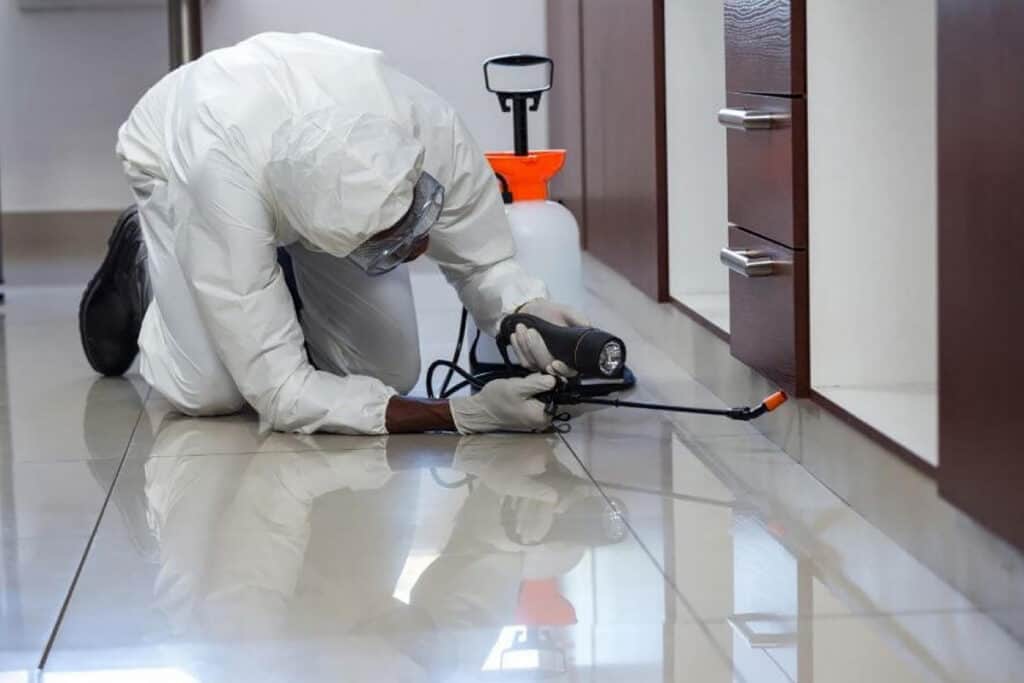
If you own a home in Tacoma, WA, or anywhere across the South Puget Sound, a pest control inspection isn’t something you schedule only when there’s a visible problem. It’s a proactive step that protects your structure, your health, and your long-term investment.
At Long Pest Control, Inc., our licensed technicians provide thorough home pest inspection services designed to identify early warning signs before they turn into costly structural damage. From moisture issues in crawl spaces to hidden rodent activity in attics, our inspections focus on the areas homeowners don’t typically see — but pests rely on.
Whether you’re in Puyallup, Federal Way, WA, or surrounding communities, professional pest control inspections help prevent small issues from becoming major repairs. A detailed pest inspection for homeowners gives you clear answers, documented findings, and a plan built specifically for your property — not a one-size-fits-all treatment.
What Is a Professional Pest Control Inspection?
A professional pest control inspection is a structured evaluation of your home’s vulnerability to pests — not just a search for visible insects or rodents.
It focuses on three things:
1. Access points – Where pests can enter (gaps, penetrations, structural seams)
2. Activity confirmation – Evidence of current or past infestation
3. Conducive conditions – Moisture, wood damage, insulation disturbance, or environmental factors that attract pests
Unlike a basic service visit, a formal pest inspection for homeowners is diagnostic. Technicians assess risk levels, determine whether activity is active or dormant, and identify what corrections are necessary to prevent recurrence.
What Makes It Professional?
Licensed technicians performing home pest inspection services use:
1. Moisture meters to detect hidden dampness
2. Probing tools to test wood integrity
3. UV lighting to confirm rodent activity
4. Photo documentation for clear reporting
The purpose isn’t just to confirm pests are present — it’s to understand why they’re there and what will stop them long term.
Areas of Your Home Long Pest Control Inspects
A thorough crawl space and attic inspection requires trained eyes and the right tools. Long Pest Control technicians evaluate every zone of your property — not just the rooms you use daily, but the spaces that pests prefer precisely because they go unnoticed.
1. Perimeter & Foundation
Cracks, utility penetrations, and gaps where insects and rodents enter at ground level.
2. Crawl Space
Moisture accumulation, wood-destroying insect activity, rodent nesting, and vapor barrier condition.
3. Attic
Insulation displacement, rodent runways, droppings, and evidence of active nesting.
4. Kitchen & Pantry
Ant trails, cockroach harborage points, unsealed food access, and plumbing gap entry points.
5. Bathrooms
Moisture attractants, pipe collar gaps, and concealed entry points behind fixtures.
6. Outdoor Structures
Sheds, garages, and under decks — high-activity areas that connect pest pathways to the home interior.
Cracks, utility penetrations, and gaps where insects and rodents enter at ground level.
Key Warning Signs Technicians Look For
Trained technicians performing a pest damage inspection are looking beyond what’s immediately visible. Pests leave traces long before a homeowner notices them — and knowing how to read those traces is the difference between catching a problem early and calling for help after the damage is done.
Common Pest Issues vs. Warning Signs to Watch For
| Pest Issue | What You Might See | What Technicians Look For | Urgency |
| Rodent Activity | Droppings near pantry, chewed food packaging | Urine trails under UV light, gnaw marks on wiring and joists, nesting material in insulation | High — Immediate |
| Termite Damage | Soft or hollow-sounding wood, mud tubes on foundation | Frass deposits, wing debris near windowsills, compromised structural wood in crawl space | High — Immediate |
| Carpenter Ants | Large ants near windows or in kitchen areas, sawdust-like frass | Satellite colonies in wall voids, moisture-damaged wood used as nesting sites | Moderate — Prompt |
| Cockroach Infestation | Sightings at night, egg casings behind appliances | Smear marks along baseboards, harborage in warm, dark cabinet voids | Moderate — Prompt |
| Spider Presence | Webs in corners, spiders in basement | High web density indicating heavy underlying insect activity serving as a food source | Low — Monitor |
| Moisture & Conducive Conditions | Musty odor in crawl space, condensation on windows | Wood-to-soil contact, failed vapor barrier, standing water — primary pest attractants | Moderate — Address Promptly |
Pests Long Pest Control Commonly Found in Homes
Across the South Puget Sound, from Tacoma through Lacey and Olympia, WA — the pest landscape follows predictable seasonal patterns. Understanding what’s active and when is core to what makes a rodent and insect inspection genuinely useful rather than generic.
1. Rodents:
Rats and mice exploit gaps as small as a dime near foundation penetrations, utility lines, and plumbing entry points — particularly in autumn when temperatures drop.
2. Carpenter ants:
A primary structural concern in the Pacific Northwest. They don’t eat wood — they tunnel through it, preferring moisture-damaged framing in crawl spaces and wall voids.
3. Termites:
Less common than carpenter ants in this region, but far more destructive when present. Subterranean species build upward from soil contact, often going undetected for years.
4. Cockroaches:
Most active in kitchens and bathrooms, drawn by warmth, moisture, and food residue. Their presence carries genuine health implications — allergens and contamination.
5. Spiders:
Common in basements and crawl spaces. High spider activity is typically a secondary indicator — it signals that enough prey insects exist to sustain a population.
The Reality of Pest Problems in U.S. Homes
| Statistic | What It Means for Homeowners | Source |
| 14M homes | U.S. homes reported cockroach sightings in the past year — including many that were otherwise well-maintained. | U.S. Census Bureau (AHS) |
| 21M homes | Rodents invade millions of homes every winter as colder temperatures drive them indoors. | EPA — Rodent Control |
| 51% of Americans | More than half have experienced a pest infestation; 22% reported direct structural damage as a result. | U.S. Census Bureau (AHS) |
| $5B+ annually | Termites alone cause over $5 billion in property damage each year — most of it not covered by homeowners’ insurance. | EPA — Termite Control |
What Happens After Your Inspection?
The inspection itself is only the beginning. What Long Pest Control delivers afterward is what determines whether your home stays protected long term. Every pest inspection for homeowners concludes with three concrete deliverables:
1. A detailed written report documenting every area inspected, what was found, where activity or damage was identified, and the conditions contributing to it.
2. A customized treatment plan built specifically around your home’s construction, location, and the pest pressures unique to your neighborhood — not a generic service package applied to every address on the route.
3. Scheduled follow-up visits as part of a preventative maintenance program, including quarterly options that keep seasonal pest activity from establishing a foothold between inspections.
Residential Pest Inspection: What’s Included at Each Stage
| Inspection Stage | What’s Assessed | Outcome for Homeowner |
| Pre-Inspection Walkthrough | Homeowner-reported concerns, recent pest sightings, known entry points, prior treatment history | Technician establishes a targeted inspection focus before beginning |
| Exterior Evaluation | Foundation gaps, siding seams, perimeter landscaping, outdoor structures, rooflines, utility entry points | Entry points identified and documented with sealing recommendations |
| Interior Inspection | Kitchen, bathrooms, basement, attic, utility rooms — all high-risk zones | Active infestations or conducive conditions flagged with photo documentation |
| Crawl Space Assessment | Moisture levels, vapor barrier condition, structural wood integrity, rodent or insect evidence | High-risk findings prioritized for structural protection and treatment planning |
| Post-Inspection Report | Compilation of all findings with severity ratings and location details | Clear written documentation suitable for insurance, real estate, or maintenance planning |
| Treatment & Prevention Plan | Pest type, home construction, environmental conditions, severity level | Actionable next steps with defined timelines, service options, and cost expectations |
Why Choose Long Pest Control for Your Home Inspection
A thorough pest control inspection requires more than a checklist — it requires regional experience.
With over 40 years serving the South Puget Sound, Long Pest Control understands the seasonal pest cycles, moisture conditions, and construction styles specific to this area.
What homeowners can expect:
1. Licensed, experienced technicians — not rotating subcontractors
2. Detailed, inspection-first evaluations that identify root causes, not just surface issues
3. Integrated Pest Management methods focused on moisture control, entry-point sealing, and long-term prevention
The goal isn’t just treatment. It’s durable, informed residential pest control designed to protect your home year-round.
Note: According to the EPA’s Integrated Pest Management guidelines, reducing moisture, sealing entry points, and eliminating harborage conditions are the most effective long-term pest prevention strategies available to homeowners — and they’re the foundation of every Long Pest Control treatment plan.
Final Takeaway: Protecting Your Home’s Future
Pest problems rarely announce themselves. They build quietly — in crawl spaces, inside wall voids, behind insulation — until the damage they’ve caused is substantial enough to surface. A professional pest control inspection is how you interrupt that cycle before it reaches that point.
For homeowners in Tacoma, Olympia, WA, and every community across the South Puget Sound, residential pest control isn’t a reaction to a crisis — it’s a standard part of responsible home ownership. With pest control inspections designed around your home’s specific conditions and a service history spanning over four decades, Long Pest Control, Inc. is the team to call when protecting your investment matters.
Ready to Take the First Step?
Contact Long Pest Control today for a professional inspection. Whether you’re in Puyallup, Federal Way, WA, or anywhere across the South Puget Sound — peace of mind starts with knowing exactly what’s happening inside your home.
